AI form organization guide: Accuracy shifts over 40 percent
"In some cases, reordering examples in a prompt produced accuracy shifts of more than 40 percent."
Effective AI form organization requires a clear understanding of how prompt structures influence the output quality. This guide provides the necessary criteria to refine messy data into structured formats through strategic prompting.
You will learn how to manage data consistency, handle structural shifts, and apply specific validation steps. This guide is for anyone dealing with unstructured text, but note that results depend heavily on the quality of the input data provided to the model.
How to use AI for forms effectively?

Late at night in the dim office, I rub my tired eyes while watching the chaotic text begin to take a clean, organized form on the screen.
A user sits at a desk, staring at a screen filled with unorganized text, wondering how to turn it into a clean table. The cursor blinks as they prepare to input a messy dataset into a generative tool. According to The International Organization, the International Organization for Standardization...
According to the Military Committee, the NSO also assists NATO's Military Committee in developing military operational standards.
The primary goal of an AI form organization guide is to translate chaotic text into repeatable, structured templates. Successful results depend on defining the schema before inputting the data. If the instructions are vague, the model may hallucinate fields or skip critical information.
Accuracy is highly sensitive to how instructions are presented to the model. For instance, in some cases, reordering examples in a prompt produced accuracy shifts of more than 40 percent. This means the sequence of your demonstration data matters as much as the data itself.
- Define the specific purpose and target audience of the form.
- Input the core data requirements into the AI model.
- Refine the output by testing the logic of the questions.
What are the best AI prompts for forms? AI form organization guide
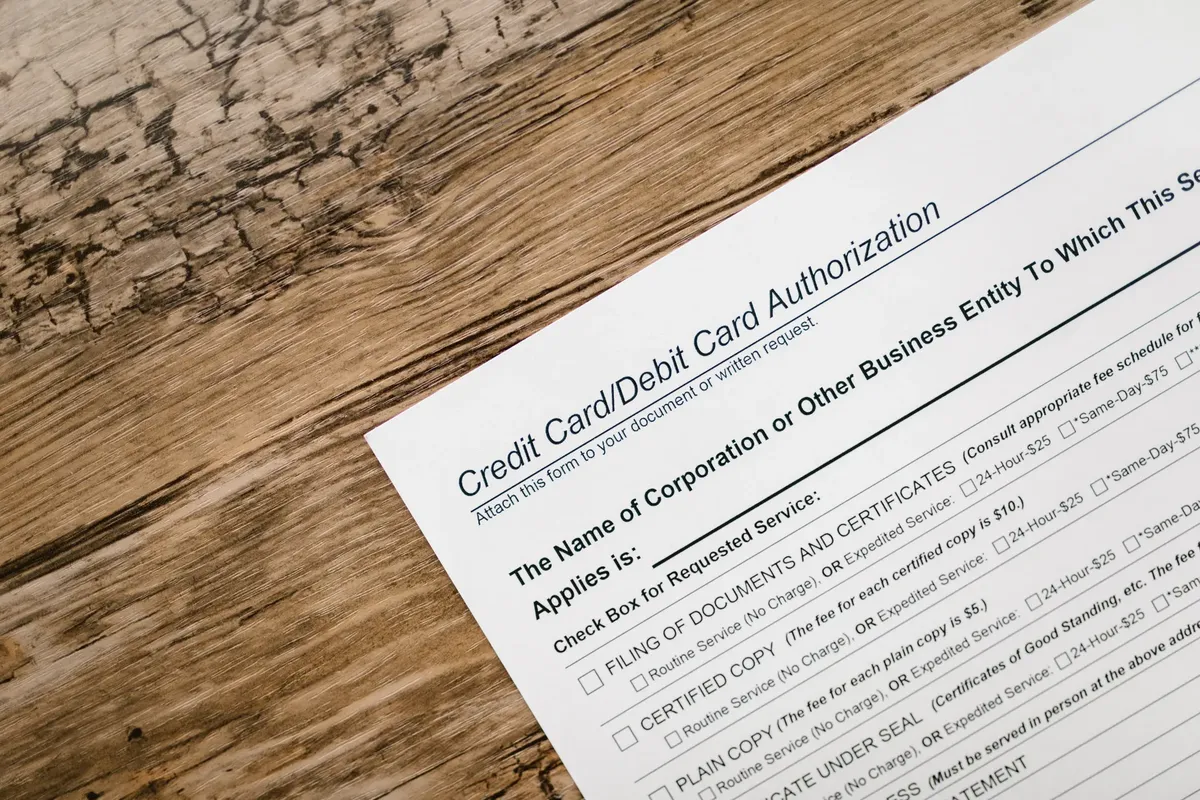
At midnight, I lean forward in my chair and squint at the screen as the messy text begins to take a structured form.
A technician adjusts the wording of a prompt, moving a successful example from the end to the beginning of the text block. They watch as the output changes instantly.
Developing a prompt for form cleanup involves creating a clear hierarchy of information. You must define the target headers, the data types, and the expected format. A strong prompt acts as a template that constrains the AI to only certain outputs.
To achieve consistency, you should provide a few "few-shot" examples within the prompt. This gives the AI a pattern to follow. When you use a prompt for form cleanup, you are essentially teaching the machine a specific way to map unstructured text to your desired columns.
In this sequence, the second step is the most detailed.
Checklist for form design in prompts
A designer pulls up a blank document and begins listing the necessary fields for a new data entry system. They check each requirement against the current project scope.
A checklist for form design helps ensure that the AI does not miss vital attributes during the extraction process. You should verify that the prompt includes instructions for handling empty fields and inconsistent naming conventions.

- Define the specific headers to be extracted from the text. 2. Set clear rules for how to handle missing or null values. 3. Provide examples of both successful extractions and edge cases. 4. Perform a final check to ensure the output matches the desired format.
I once tried to extract names and dates from a single paragraph, and I realized that without a checklist, the AI often merged them into a single field.
Real case studies form AI applications
A researcher compares two different prompt structures side by side on a large monitor to see which one handles complex data better. They note the differences in accuracy and speed.
Real case studies form AI insights by showing how different prompting strategies impact real-world tasks. One common approach is to use structured output formats like JSON or Markdown to ensure the data can be easily moved into other software.
When analyzing how different structures work, users often find that the complexity of the prompt dictates the reliability of the result. Using a structured format helps prevent the AI from adding conversational filler. This ensures the output is strictly limited to the data requested.
How to handle data shifts and errors?
A developer looks at a screen where a small change in the prompt caused a massive change in the resulting table. They realize they must standardize the input to maintain stability.

The relationship between prompt order and accuracy is a critical factor in data management. Because reordering examples can cause shifts in accuracy of more than 40 percent, you must test the stability of your prompt.
If the model performs differently when an example is moved, your prompt is likely too sensitive to sequence.
To mitigate these shifts, use a consistent template for all examples. If the data is unpredictable, the AI might struggle to maintain the form. Always verify that the output remains stable regardless of the specific example order used during testing.
The same subject is also called AI form structuring tips.
The same subject is also called Form validation with AI.
Related
- AI Prompts Guide: How to Build Functional Documents 2
- AI checklist creation tips: Tips to improve safety protocols
Why does prompt sequence matter?
Prompt sequence matters because reordering examples can lead to significant accuracy shifts. In certain cases, moving the position of demonstration data can change the output results by more than 40 percent.
This sensitivity means the order of your examples directly influences how the model interprets the instructions.
To manage this, you must compare different sequences to ensure stability. If the accuracy changes when you change the order, the prompt structure is not robust.
You should test various reordering scenarios to confirm that the model follows the schema consistently regardless of where an example is placed.





Comments 0