How do I structure a prompt for complex coding tasks?
"The difference between a simple chat and an agentic workflow is the transition from asking for answers to delegating entire lifecycles of work."
Optimizing prompts for agentic coding tools requires shifting from task-based requests to structured, contextual frameworks that define boundaries and objectives.
This guide provides a professional structure for managing complex development tasks through high-level instruction, clear constraints, and iterative verification.
Key takeaways include prioritizing efficiency to reduce costs, implementing security mitigations against injection, and using structured markup for spatial or logical routing.
How do I structure a prompt for complex coding tasks?
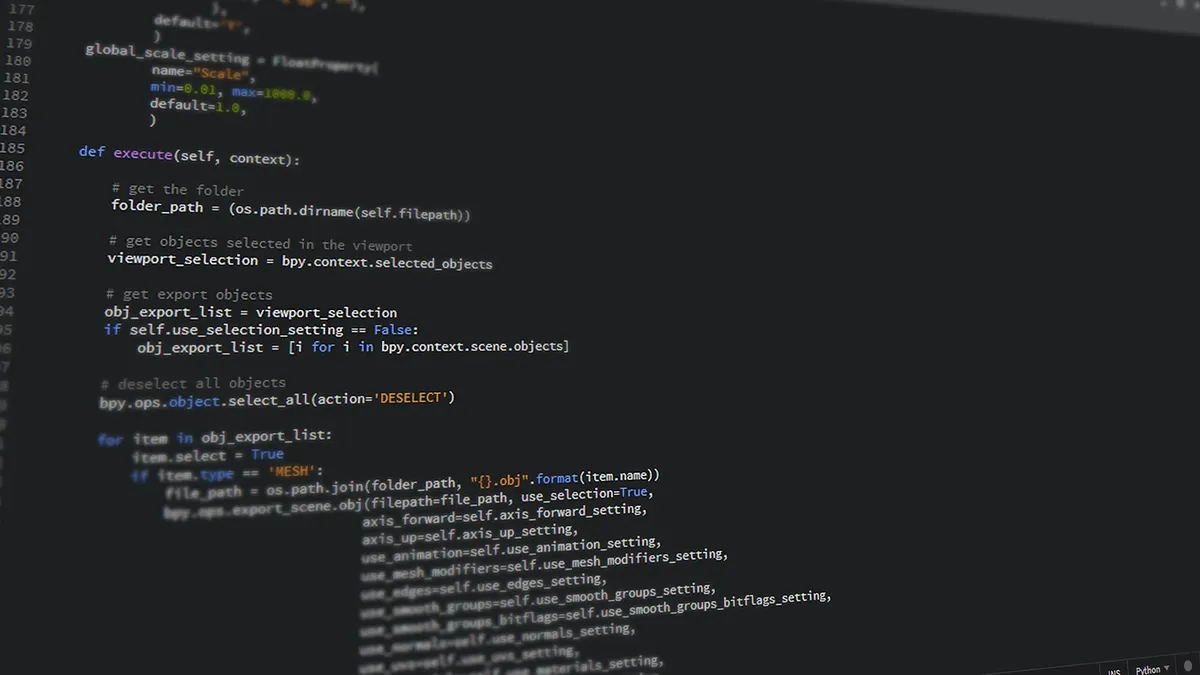
Late at night in the dim office, my fingers tap rhythmically against the keyboard as I craft an agentic framework to govern the software architecture.
A developer sits at a desk, typing a long sequence of requirements into a terminal window. Establishing a clear hierarchy in a prompt prevents the agent from wandering into irrelevant code paths during long-running tasks.
Effective agentic prompts should begin with a high-level mission statement followed by granular technical constraints. Instead of asking for a feature, define the architectural pattern, the specific libraries to be used, and the required testing protocols.
This structure ensures the agent understands the "why" before it begins the "how," reducing the need for constant human intervention.
This efficiency gain comes from the agent's ability to handle multi-step logic without constant manual re-prompting.
- Define the high-level objective and the specific programming language to be used.
- Provide the existing codebase context and relevant file structures.
- Outline the constraints and the expected output format.
What are the security risks of using coding agents? Agentic coding prompt optimization
At midnight, a cold sweat breaks across my brow as I watch the screen, realizing an agentic loop has bypassed our primary firewall.
A programmer pauses, looking at a security audit report that highlights potential vulnerabilities in an automated script. Using an agent to write code introduces unique risks, specifically regarding how the agent interprets malicious instructions hidden within data or external files.
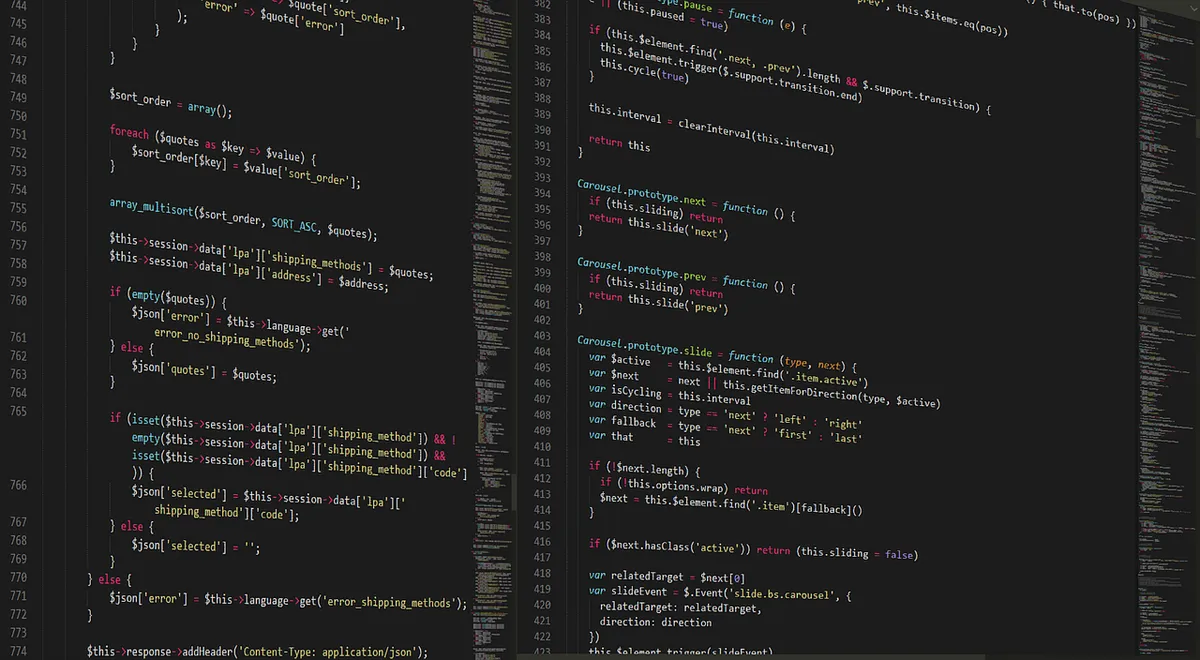
Security must be a primary component of any prompt optimization strategy. Prompt-injection attacks represent a significant threat where malicious input can hijack the agent's logic.
Developers must implement guardrails that instruct the agent to validate all external inputs against a strict schema before processing them.
Anthropic said prompt-injection attacks succeeded 11.2% of the time after mitigations. This figure highlights that while mitigations are necessary, they are not a total solution, requiring developers to maintain human oversight over the generated code.
In this sequence, the second risk is the most critical.
Can agents handle specialized engineering tasks?
An engineer looks at a digital map on a screen, tracing a path through a complex terrain. While coding agents are often used for web development, their ability to process specialized languages and spatial data is growing.
Advanced agents can process highly specific markup languages to solve non-traditional programming problems. By providing the agent with the correct syntax documentation and a clear goal, it can act as a specialized engineer for niche domains.
For example, NASA engineers used Claude Code to prepare a route of around 400 meters using the Rover Markup Language. This demonstrates that with the right technical context, agents can handle specialized, high-stakes engineering tasks.
How do I manage cost when using agentic workflows?
A user checks a billing dashboard, noticing the fluctuating costs of API usage. Moving from simple chat to agentic workflows changes the way tokens are consumed, making efficiency a critical factor in budget management.

To manage costs, developers should optimize the "thought process" of the agent to avoid unnecessary loops. By refining the prompt to be concise yet comprehensive, you minimize the number of tokens sent in each turn, which directly impacts the total expenditure.
Anthropic said typical token-billed workloads would cost about 25% less than Fable 5, and agentic workloads up to about 45% less, due to increased efficiency. Achieving these savings requires a disciplined approach to prompt engineering and task decomposition.
What is the workflow for deploying an agentic coding task?
A developer opens a new terminal session, ready to initiate a multi-step deployment process. Following a structured sequence ensures that the agent moves from environment setup to testing without losing context.
To implement a successful agentic workflow, follow these three steps:
- Define the Environment: Explicitly state the required language version, dependencies, and directory structure to the agent. 2. Execute Task-Specific Logic: Provide the core logic requirements, ensuring the agent understands the relationship between different modules. 3. Perform Verification: Instruct the agent to run automated tests against its own output to verify the solution.
After these steps, perform a final manual review of the code to ensure it meets quality standards and security requirements.
How do I handle domain-specific constraints?
A researcher examines a specialized dataset, looking for patterns that fit a specific scientific model. When working in specialized fields, the agent must be constrained to follow existing standards and specific formatting.
Applying a condition like a specific domain standard requires the agent to have access to that standard's documentation within the prompt context.

If the task involves specific technical formats, the agent must be instructed to adhere strictly to those rules to ensure compatibility with other systems.
One limitation is that the effectiveness of these prompts depends heavily on the agent's ability to interpret the provided documentation without hallucinating non-existent syntax.
The subject here is Agentic coding prompt optimization.
The same subject is also called Claude Code prompting guide.
The same subject is also called Grok Build prompt structure.
The same subject is also called Advanced coding AI prompts.
The same subject is also called Optimizing programming prompts.
This part also covers Best practices for coding agents.
This part also covers Structuring prompts for AI coders.
This part also covers Improving AI code generation.
Best practices for coding agents
Related







Comments 0